What is lime? types of lime
November 27, 2023 | By Jesús Moral | Maestro artesano y arquitecto técnico | 4 min read
Lime renders

What is lime in construction?
Lime is a natural binder obtained from the calcination of limestone. According to the UNE-EN 459-1 standard, it is mainly classified into aerial lime (hardens by carbonation with air) and hydraulic lime (hardens with water). It is a breathable and aseptic material fundamental in green building and restoration.
In Spain, the governing standard for lime is UNE-EN 459-1. This regulation gives us a clear definition:
Calcium oxide and/or calcium hydroxide, and calcium and magnesium oxide and/or calcium and magnesium hydroxide, produced by the thermal decomposition (calcination) of natural calcium carbonate, whether from limestone, chalk, or shells, or from natural calcium and magnesium carbonate, such as dolomitic limestone or dolomite.
In short, lime is the result of the calcination of limestone or dolomitic stones.
This standard also defines building lime as a group of lime products, consisting exclusively of two families: air lime (or aerial lime) and lime with hydraulic properties, used in applications or materials for construction, building, and civil engineering.
This distinction leads us to the first great classification of lime types: air limes and hydraulic limes.
Types of lime
Air limes (aerial limes)
Following the UNE standard, air lime is defined as that which combines and hardens with the carbon dioxide present in the air. Within this category, we find two subfamilies: calcium limes (CL) and dolomitic limes (DL).
In Spain, for construction, calcium limes (CL) predominate, mainly CL90, with a high percentage of purity (CaO + MgO > 90%). In the market, air lime comes in different formats:
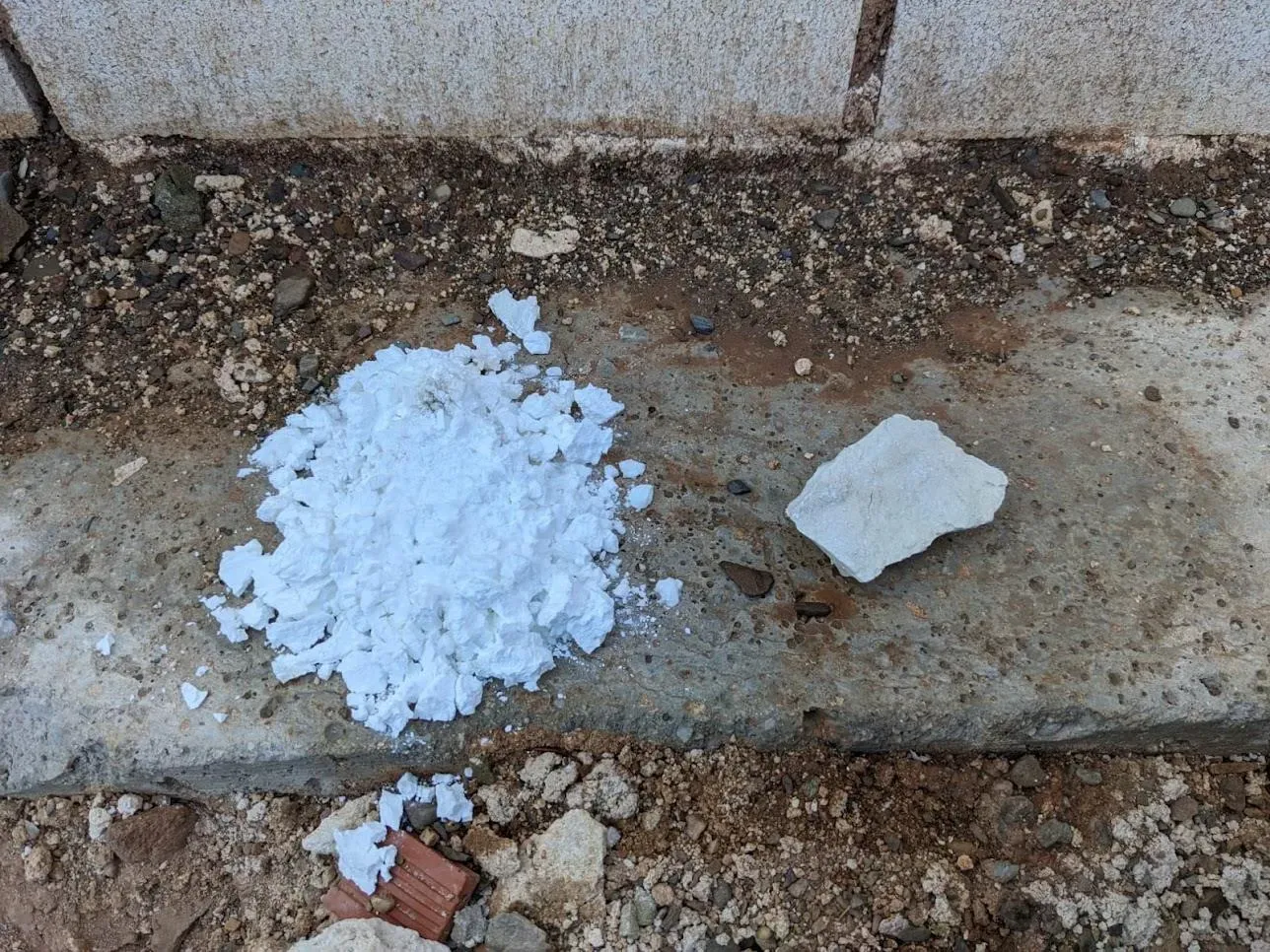
- Quicklime: available in various particle sizes, from micronized powder to lumps. Chemically they are calcium oxide and react exothermically upon contact with water.
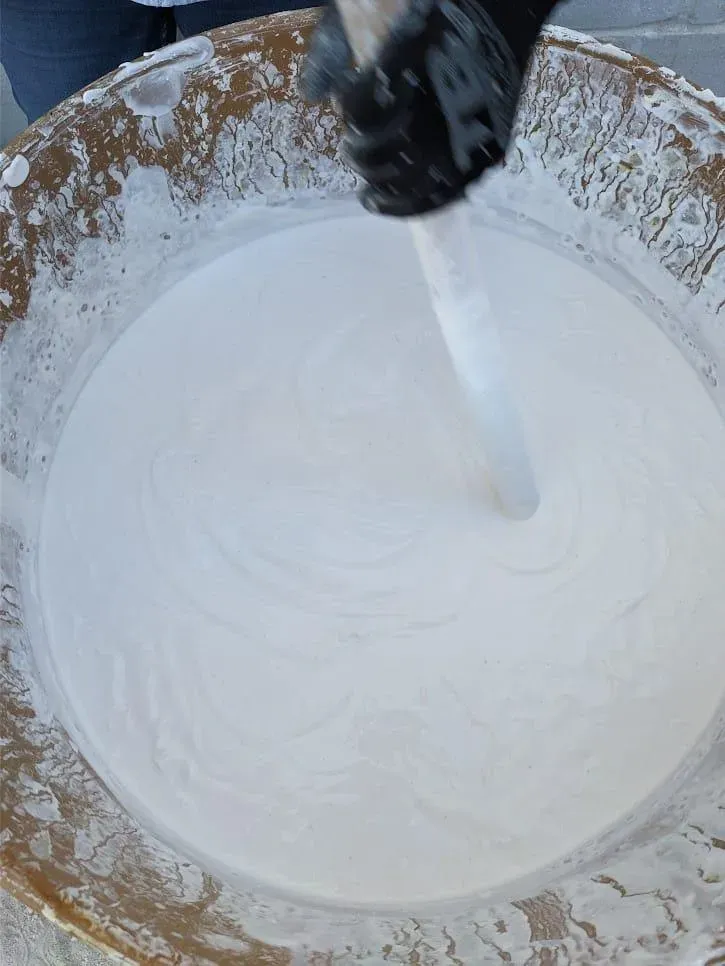
- Hydrated lime: chemically calcium hydroxide, results when water is added to quicklime, changing from an oxide to a hydroxide. Although often confused with bagged slaked lime that comes in powder, calcium hydroxide is available in different formats: powder, putty, or milk of lime (limewash).
It is important to emphasize that there is no lime better than another in a general way. Each type of lime has an intended use.
Hydraulic limes
The UNE standard defines hydraulic limes, or lime with hydraulic properties, as building limes mainly constituted by calcium hydroxide, calcium silicates, and calcium aluminates. They have the property of setting and hardening when mixed with water and/or under water. Reaction with carbon dioxide present in the air is part of the hardening process.
In other words, they resemble air limes in that they are mainly composed of calcium hydroxide and that the reaction with carbon dioxide is part of their hardening process. In addition, they can set in contact with water and contain silicates and aluminates in their composition.
These limes have a hardening process consisting of two phases: a faster initial phase, called setting, and a later phase, of long-term hardening, common with air limes, called carbonation.
Within this family, we find 3 types:
- Natural Hydraulic Limes (NHL: Natural Hydraulic Lime): Produced by the calcination of more or less clayey or siliceous limestones, NHL sets and hardens when mixed with water and by reaction with carbon dioxide present in the air (carbonation). It contains no other additions.
- Formulated Limes (FL: Formulated lime): Constituted mainly by air calcium lime (CL) and/or NHL with added hydraulic and/or pozzolanic material. Its composition must be declared in percentages on the packaging. They are not easy to find on the market.
- Hydraulic Limes (HL: Hydraulic Lime): Constituted by lime and other materials such as cement, blast furnace slag, fly ash, limestone filler, and other suitable materials. Ingredients do not need to be declared on the packaging.
Both NHL and HL are easy to find on the market, but the same does not happen with FL. All hydraulic limes are classified according to their strength in MPa, the three most common types being 2, 3.5, and 5. For example, you will find NHL2, HL3.5, and HL5 on the market.
In addition to the types of hydraulic limes described, there are some other commercial names for some hydraulic limes, such as Vicat’s Natural Prompt Cement, which is nothing more than an NHL with that trade name.
To conclude, it is important to highlight that there is no lime better than another in a general way. Each type of lime has an intended use, and in future posts, we will try to help you choose which type of lime you need according to the use.
Want to know more? leave us your comments below or contact us!
Inspired by this post?
Discover how we can help you.
By posting a comment, you accept our privacy policy. Your email is used to manage your avatar (Gravatar) and prevent spam, but it will not be published.